
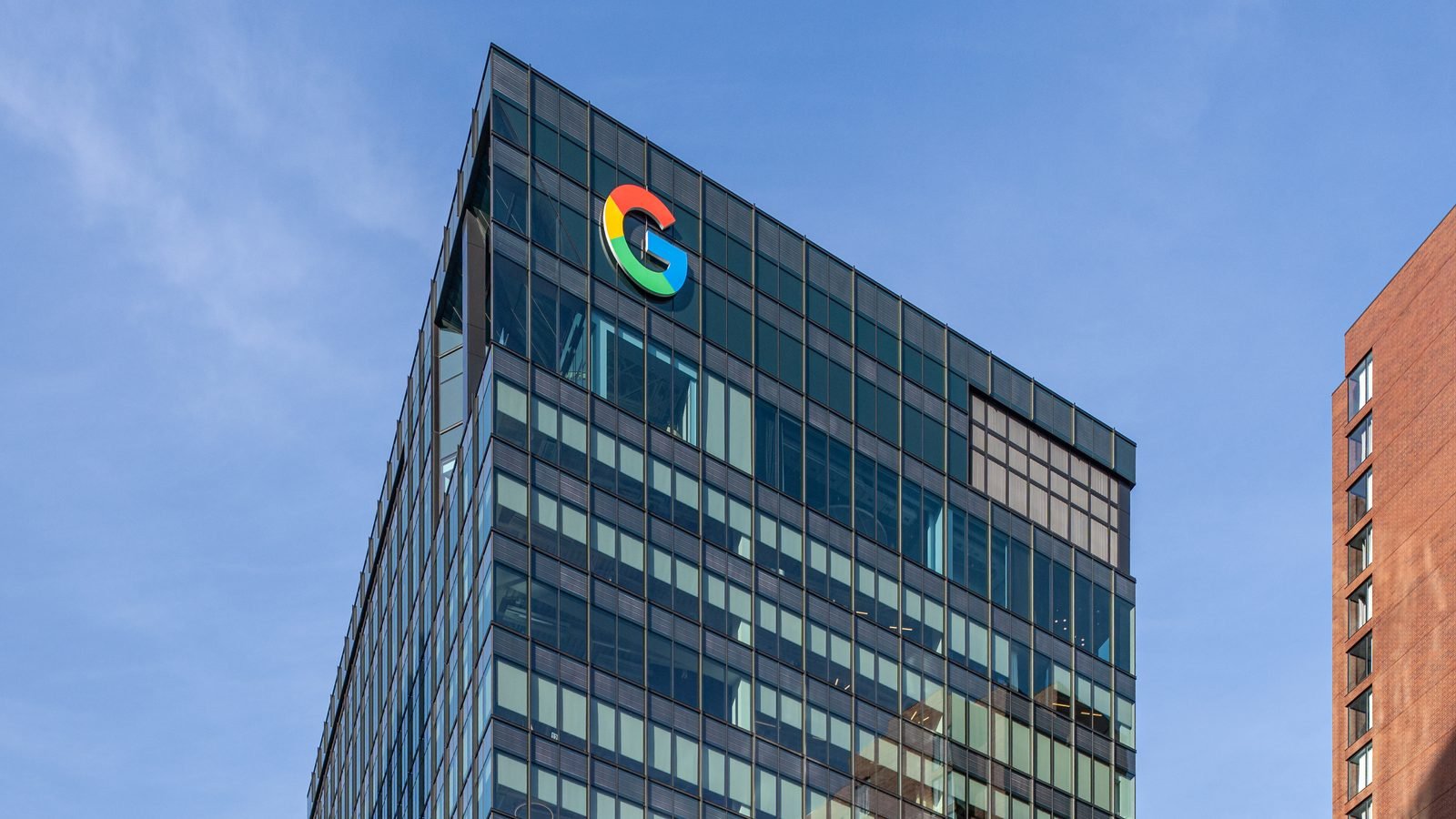
Parents, children and teachers gathered outside Google’s office in Cambridge’s Kendall Square on Wednesday, Nov. 11, to protest a company policy that, according to critics, forces schools to choose between allowing its artificial intelligence tools and keeping access to Google Search.
The Boston Globe counted dozens of protesters, who chanted “Kids over tech!” and “Books, not Chromebooks!” The Cambridge rally was one of several held the same day outside Google offices, including in New York, Chicago and Los Angeles.
What Google announced
In a Nov. 3 blog post, Chris Phillips, Google’s vice president and general manager for education, said access to Gemini, Gemini Notebook, Gemini in Classroom and Google Search “will be entirely off for K-12 student accounts until school administrators explicitly turn them on.” The company also said it is building a Guided Learning feature into Search that walks students through homework problems step by step, starting with a pilot in select U.S. schools later this month. Guided Learning is already available in Google Classroom.
The objection is about what happens when a school leaves the AI off. Google has said search and AI are now so integrated that it would not be possible to offer one without the other, the Globe reported. Boston.com summarized the policy this way: schools that opt out of the AI tools will also lose access to Google Search.
Who showed up and what they said
The Cambridge protest was organized by groups including Distraction-Free Schools Massachusetts, Fairplay, the Massachusetts AI Action Network and the Boston nonprofit Sociedad Latina, according to NBC Boston and a Fairplay advisory. The leaders of the state’s two statewide teachers unions, the Massachusetts Teachers Association and AFT Massachusetts, also attended.
“Google is using its monopoly status to say, ‘If you don’t use our AI, you don’t get to use our search engine,’” MTA President Matt Bach told NBC Boston. AFT Massachusetts President Jessica Tang, who is also a Boston Public Schools parent, raised privacy concerns. “We shouldn’t have to guess and wonder, ‘Well, I don’t know, if my student is in school and using these technologies, where is the data going?’” she said. NBC Boston reported that AFT Massachusetts is calling for statewide guardrails before schools sign more contracts with big tech companies.
Sudbury parent Tom Rogan told the Globe the policy was a “breaking point” for some families. Deb Schmill of the Becca Schmill Foundation said she hoped the protest would be “the start of a new awakening on this topic.”
Markey’s letter
On Monday, Nov. 9, Sen. Ed Markey, D-Mass., wrote to Google and Alphabet CEO Sundar Pichai asking the company to reverse course. “That is not a choice,” Markey wrote. “It is an ultimatum to effectively force schools to enable generative AI.” His office said he asked Google to answer by Nov. 30 whether it will let schools turn off AI features, including AI Overviews, Gemini and Guided Learning, while keeping Search, whether that is technically feasible, and what research it has done on effects on K-12 students.
Google’s response
“We hear parents and teachers’ concerns about students using AI to shortcut learning, and we share the same goal: help students learn,” Google spokesperson Jackie Berté told the Globe. “Gemini app, Gemini Notebook and Search will be off by default until schools decide which services to enable.” In a statement to NBC Boston, Google did not directly say whether schools could keep traditional Search without enabling the AI features.
What it means for Massachusetts schools
Nothing has switched off yet. Google said it will share specifics with schools in the coming months, before the control changes roll out. The state Department of Elementary and Secondary Education has issued AI guidance but has largely left AI policies to local districts, Boston.com reported, so the decision will fall to each district. Tang told NBC Boston that questions remained after a Boston Public Schools webinar on the changes Tuesday night.
Other big districts are weighing their options. In Chicago, where about 30 people rallied outside Google’s West Loop office on Wednesday, a Chicago Public Schools spokesperson told Chalkbeat the district is exploring ways to suppress the AI overview at the top of Google results and would “look to other search solutions” if it cannot.
What to watch
The next markers are the Google Search pilot later this month, Google’s reply to Markey’s Nov. 30 deadline and the details Google promises to send schools ahead of the rollout.
Sources
- The Boston Globe: Protesters urge Google to let schools opt out of AI, keep Google Search (Nov. 11, 2026)
- NBC Boston: Parents and teachers protest Google’s AI school plans (Nov. 11, 2026)
- Chalkbeat Chicago: After Google warns schools about disabling AI feature, Chicago protesters say ‘we don’t want your Gemini’ (Nov. 11, 2026)
- Boston.com: Sen. Markey urges Google CEO to let schools opt out of AI without losing search (Nov. 9, 2026)
- Office of Sen. Edward J. Markey via Public: Markey Demands Google Allow Schools to Disable AI Services Without Blocking Search Access (Nov. 9, 2026)
- Fairplay: Teachers and families to protest Google’s AI changes for schools at Google’s Cambridge office on Nov. 11
- Google: Designing responsible AI for learning (Nov. 3, 2026)