
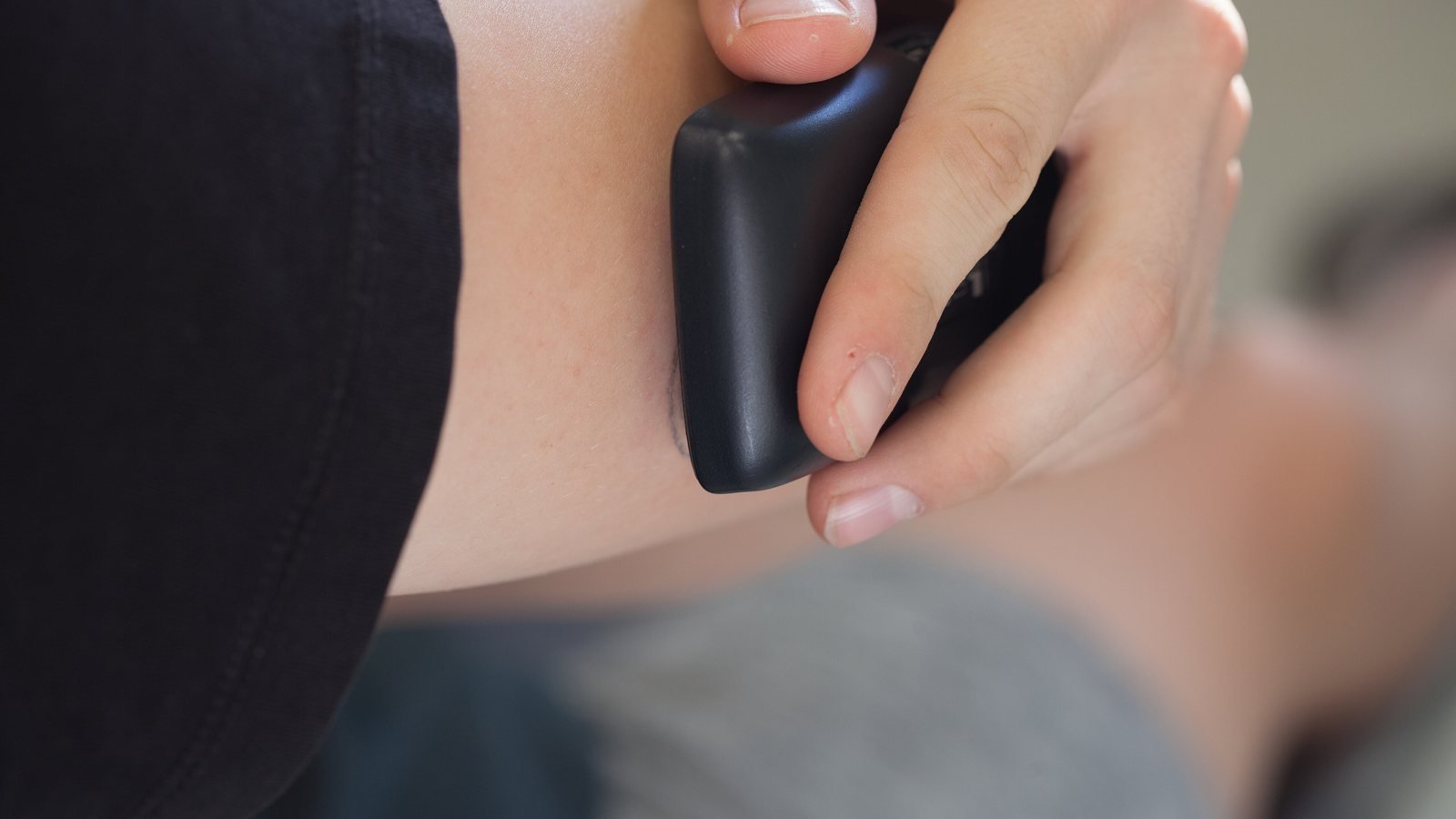
An MIT-led team has won federal funding to try to build a skin patch that could catch two of the deadliest conditions in American medicine before they do lasting harm. The four-year project, worth up to $38 million from the U.S. Advanced Research Projects Agency for Health (ARPA-H), will develop a wearable that continuously monitors biomarkers of heart failure and sepsis, MIT News reported Wednesday.
The project is called PYTHIA, short for “predictive platform for physiological and therapeutic health intervention and adaptive management.” According to the project plan, the patch will capture clinical-grade information in real time and run on heat from the patient’s own body.
Why heart failure and sepsis
Heart disease is the No. 1 cause of death in the United States, and sepsis kills at least 350,000 U.S. adults each year and is the leading cause of death in hospitals, according to the Centers for Disease Control and Prevention, MIT said.
“We targeted these diseases because they are very lethal, but we also see opportunities for detecting biomarkers related to heart disease and sepsis to offer a solution that could really help improve diagnosis and treatment,” said principal investigator Ahmad Bahai, a professor of the practice in MIT’s Department of Electrical Engineering and Computer Science.
How the patch would work
The chip-based patch is meant to measure biomarkers in interstitial fluid, the fluid under the skin. Those molecules are hard to detect because they show up in very low concentrations. The device would run a chemical reaction that binds other chemicals to the target molecules so they are easier to identify, then use microelectronics sensitive enough for clinical use to take the measurements.
Because it measures continuously, the patch will produce a lot of data, so PYTHIA will include AI models on the chip to turn raw readings into information clinicians can act on. “This is kind of like having the patient give a blood test every 15 minutes or so, but it happens automatically,” Bahai said.
The researchers say the device could also track a patient’s recovery after they leave the hospital and help doctors develop better treatments.
Who is on the team
Bahai, who co-founded the MIT Program for Health Sciences and Semiconductors when he joined MIT three years ago, will work with MIT professors Joel Voldman, Tim Swager, Hadley Sikes and Colin Stultz, plus clinical and industry collaborators. Bahai said the idea grew out of his earlier work on continuous glucose monitors.
Next, the team will develop and test electronic components for the tiny, low-power chip, then move the device through preclinical and clinical trials toward commercial manufacturing, Bahai said. The work is funded through ARPA-H’s Delphi program, which applies microelectronics design to biosensing.