
Children who come to the emergency room with Lyme disease may be carrying a second, unrecognized tick-borne infection more often than doctors realized, according to a study led by researchers at Boston Children’s Hospital.
The team found antibody evidence of Powassan virus in about 1 in 12 children with early Lyme disease, compared with fewer than 1 in 100 children who had similar symptoms but did not have Lyme. The study was published online Nov. 18 in the journal Clinical Infectious Diseases.
What the researchers did
The researchers drew on Pedi Lyme Net, a research network of eight emergency departments in regions where blacklegged ticks are common. They used stored blood samples from children evaluated for Lyme disease from 2015 through 2024, CIDRAP reported.
They compared 305 children with early or early disseminated Lyme disease with 295 children who had similar symptoms but did not have Lyme, matched by age, sex, hospital and symptoms. The median age was 9, and 63% of the children were boys, according to the paper. Samples were tested for Powassan antibodies and for the virus itself at the New York State Department of Health’s Wadsworth Center.
Stephanie Hadley of Boston Children’s Division of Emergency Medicine is the first author, and Lise Nigrovic of the same division is the senior author. Co-authors include Sam Telford III of the Tufts University Cummings School of Veterinary Medicine in North Grafton and emergency physicians from hospitals in Providence, Philadelphia, Pittsburgh, Albany, Wilmington, Minneapolis and Milwaukee.
What they found
Powassan infection showed up in 8.5% of the children with Lyme disease, or 26 children, compared with 0.7%, or two children, in the comparison group, according to the study and CIDRAP. After accounting for other factors, children with Lyme had about five times the odds of testing positive, though the statistical range around that estimate is wide.
None of the Powassan infections had been recognized by the treating clinicians, CIDRAP reported. The antibody results point to recent infections. None of the children had virus detectable by a PCR test, which looks for the virus’s genetic material, according to the paper.
“Our results support previous studies suggesting that the prevalence of [Powassan] infection is much higher than reported, particularly in patients with confirmed Lyme disease,” the researchers wrote.
Why it matters
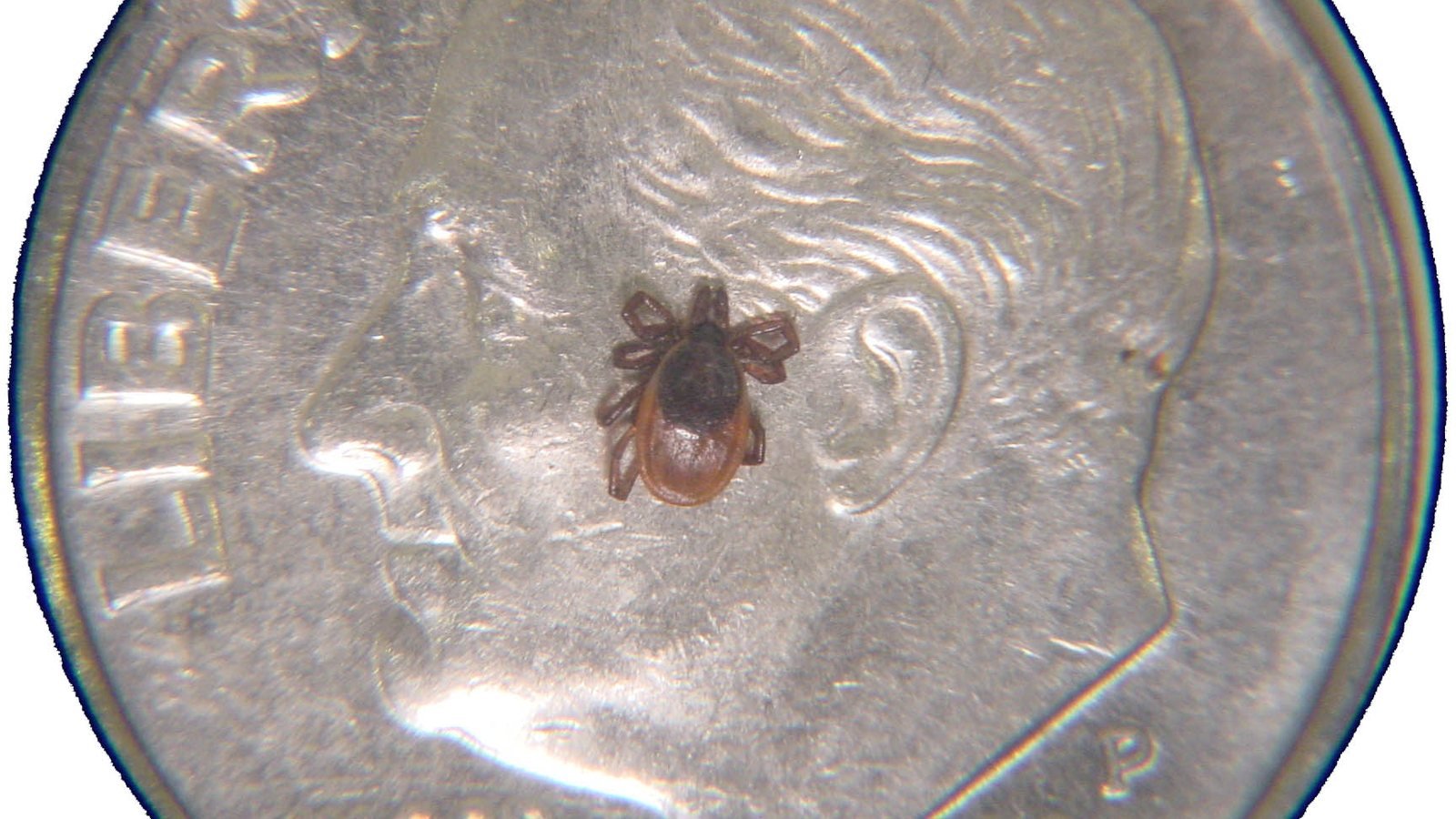
Lyme disease and Powassan virus are spread by the same blacklegged, or deer, ticks. Lyme transmission takes at least 24 hours of tick attachment, but Powassan can be transmitted in as little as 15 minutes, CIDRAP noted.
Many people infected with Powassan have no symptoms, according to the Centers for Disease Control and Prevention. When it does cause illness, it can bring fever, headache, vomiting and weakness, and it can lead to encephalitis or meningitis. About 1 in 10 people with severe illness die, and about half of survivors have long-term problems, the CDC says. There is no medicine to treat it, and children are among the groups at higher risk of severe disease.
U.S. cases have been reported mostly from northeastern states and the Great Lakes region, usually in late spring, early summer and mid-fall when ticks are most active. Reported cases are rare but have increased in recent years, according to the CDC.
The limits
The authors and CIDRAP flagged several caveats. Other rashes can be mistaken for the Lyme rash, and Lyme blood tests can miss early infections or pick up old ones. Some Powassan antibody tests can give false positives: of the 28 children whose initial two-step antibody testing was positive, 11, or 39%, were confirmed by a more specific neutralization test, according to the paper. Blood was drawn only once, so researchers could not see whether antibody levels changed over time.
The researchers suggest doctors consider Powassan testing in children with suspected Lyme disease, especially when symptoms are unusual or a child is slow to respond to Lyme treatment. They also call for faster, more accurate tests that can detect Powassan early in an infection.
Parents with questions about a tick bite or a child’s symptoms should talk with their child’s health care provider.
Sources
- Clinical Infectious Diseases: Prevalence of Powassan Virus Infection in Children with Suspected Lyme Disease (published online Nov. 18, 2026)
- CIDRAP: 1 in 12 children with Lyme disease show signs of Powassan virus co-infection (Nov. 20, 2026)
- Centers for Disease Control and Prevention: Symptoms of Powassan
- Centers for Disease Control and Prevention: Data and Maps for Powassan