
A daily pill that targets the main genetic driver of pancreatic cancer, combined with standard chemotherapy, shrank tumors in about six of every 10 newly diagnosed patients with advanced disease in an early-stage trial, according to updated results presented Friday at a cancer conference in Barcelona.
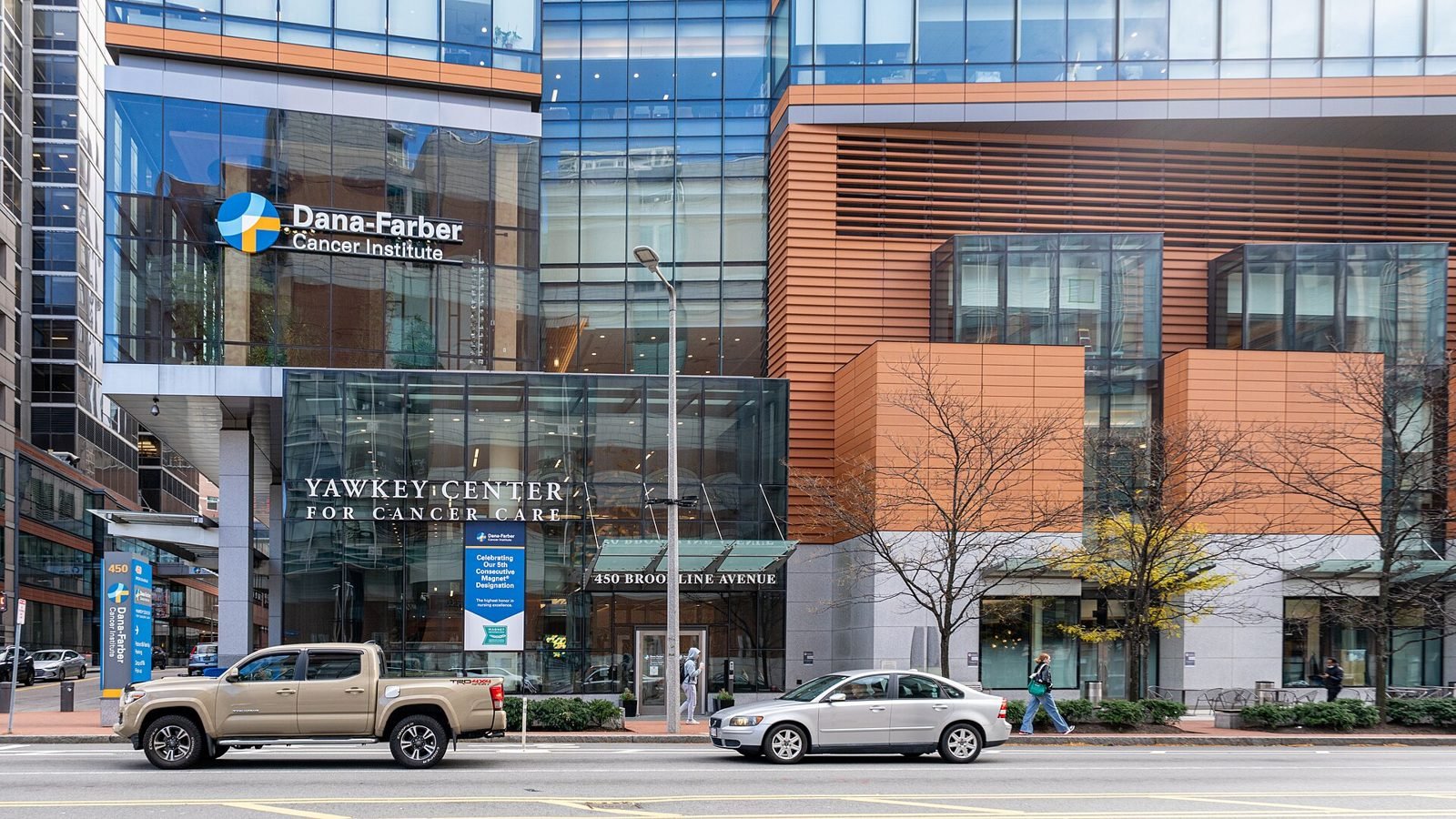
The drug, daraxonrasib, is already approved by the U.S. Food and Drug Administration for some patients whose metastatic pancreatic cancer was previously treated. That approval rested mainly on a phase 3 trial led by Dr. Brian Wolpin, director of the Hale Family Center for Pancreatic Cancer Research at Boston’s Dana-Farber Cancer Institute. Wolpin is also among the authors of the new study, according to its published abstract.
What the trial found
The phase 1/2 study, called RMC-GI-102, gave 61 patients whose cancer had spread, and who had not yet been treated for metastatic disease, a 200 mg dose of daraxonrasib by mouth once a day along with two intravenous chemotherapy drugs, gemcitabine and nab-paclitaxel, OncLive reported.
With a median follow-up of 18.3 months, tumors shrank in 60.7% of patients and became undetectable on scans in 8.2%, or about one in 12, according to the results presented at the EORTC-NCI-AACR Symposium on Molecular Targets and Cancer Therapeutics. The cancer stopped growing in 90.2% of patients. The median time before the cancer grew again was 12.8 months, and an estimated 76.6% of patients were alive at one year.
For comparison, chemotherapy regimens used today shrink tumors in about 23% to 42% of patients with newly diagnosed metastatic pancreatic cancer, with a median of 5.5 to 7.4 months before the disease progresses and median survival of 8.5 to 11.1 months, according to the study abstract.
“We are now seeing not only substantial tumor shrinkages, including complete responses, but also durable disease control, with median progression-free survival exceeding one year,” said Dr. Wungki Park, a gastrointestinal oncologist at Memorial Sloan Kettering Cancer Center in New York who presented the results, according to LiveNOW from FOX.
How the drug works
More than 90% of pancreatic cancers carry mutations in RAS genes, which keep tumor cells growing. For decades, RAS proteins were considered nearly impossible to target with drugs. Daraxonrasib is designed to switch off active RAS signaling, including both mutated and normal forms, according to the study abstract.
Dr. Sam Godfrey of Cancer Research UK told BBC News the drug has “found a way of drugging the undruggable,” and the charity called the results the biggest leap forward in decades for pancreatic cancer patients.
Earlier this year, the phase 3 RASolute 302 trial, which Wolpin presented at the American Society of Clinical Oncology meeting, found that in 500 previously treated patients, daraxonrasib extended median overall survival to 13.2 months, compared with 6.7 months on chemotherapy, Dana-Farber said when the FDA approved the drug in August.
The caveats
The new study was small and had no comparison group, so every patient received the combination. Researchers said that means it cannot yet show how much better the regimen is than chemotherapy alone or whether it helps patients live longer, LiveNOW reported. Doctors quoted by BBC News stressed that the treatment should not be seen as a cure and that it is unclear how long it might keep the disease at bay.
Side effects included rash, diarrhea, fatigue and the drops in blood cell counts associated with chemotherapy. Most were manageable with standard care, and 5% of patients stopped treatment because of side effects tied to daraxonrasib, according to LiveNOW. The trial was funded by Revolution Medicines, the California company that makes the drug.
What comes next
A global phase 3 trial, RASolute 303, plans to enroll 900 newly diagnosed patients and randomly assign them to daraxonrasib alone, daraxonrasib with chemotherapy, or chemotherapy alone, OncLive reported. Its main goals are measuring how long patients go before their cancer progresses and how long they live. The FDA gave the combination breakthrough therapy designation in September, according to OncLive.
Pancreatic cancer accounts for about 3% of cancers in the United States but about 8% of cancer deaths, killing around 53,000 people a year, BBC News reported. Patients interested in clinical trials should talk with their oncologist.
Sources
- European Journal of Cancer: Daraxonrasib plus gemcitabine/nab-paclitaxel (GnP) as first-line treatment for patients with metastatic pancreatic adenocarcinoma, EORTC-NCI-AACR 2026 abstract 8LBA
- OncLive: Daraxonrasib plus gemcitabine/nab-paclitaxel generates durable responses in first-line metastatic PDAC (Nov. 20, 2026)
- LiveNOW from FOX: New drug combo shrinks tumors in most patients facing advanced pancreatic cancer, trial shows (Nov. 22, 2026)
- BBC News: Massive hope for pancreatic cancer pill after trial saw tumours vanish (Nov. 2026)
- ecancer: EORTC 2026: Metastatic pancreatic cancer responds well to initial treatment with combination of daraxonrasib and chemotherapy (Nov. 20, 2026)
- Dana-Farber Cancer Institute: FDA approves daraxonrasib for metastatic pancreatic cancer following landmark clinical trial led by Dana-Farber (Aug. 26, 2026)