
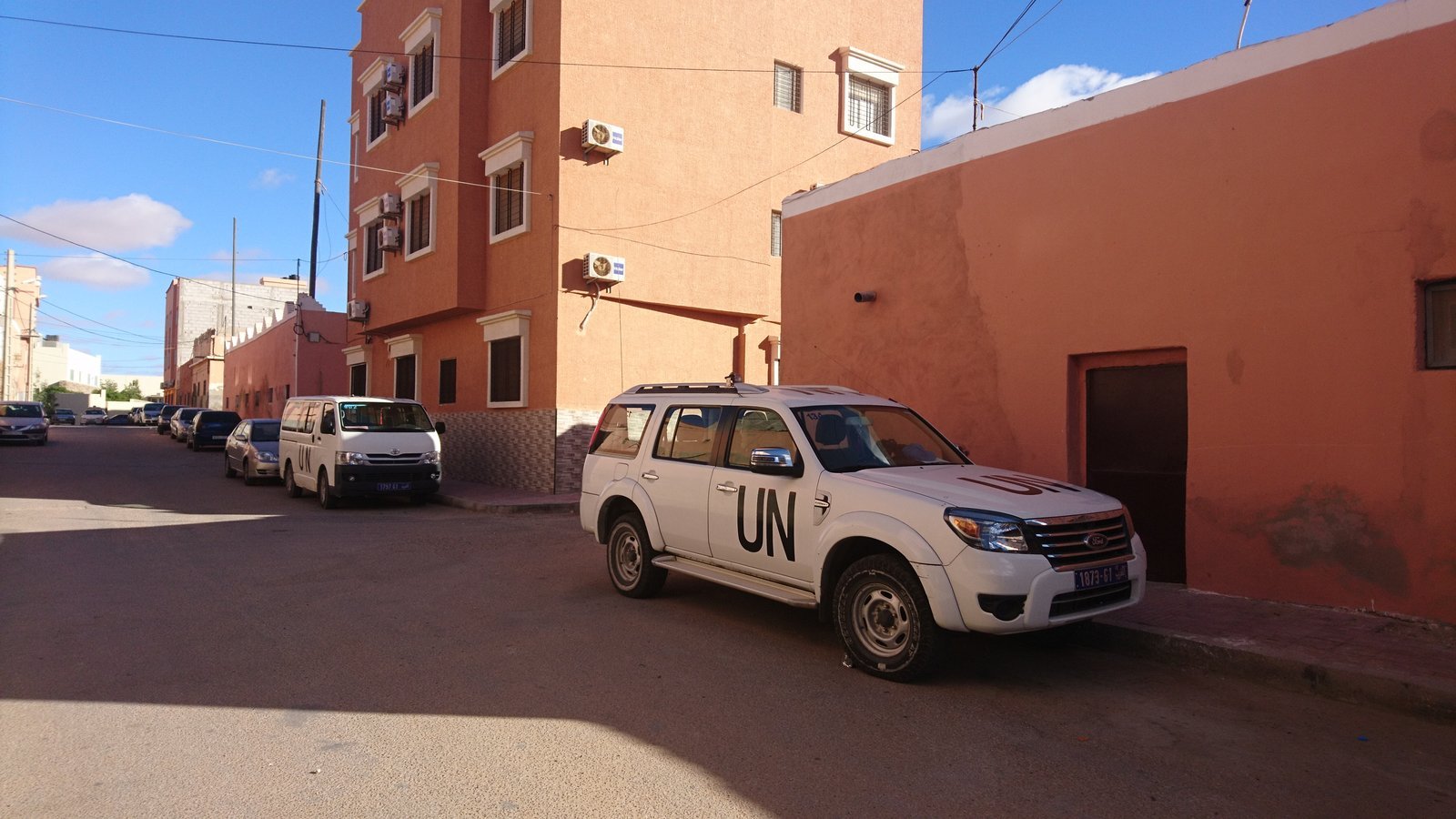
The United Nations’ long-running peacekeeping mission in the disputed Western Sahara ceased operations Sunday after 35 years, the result of a U.S.-Russia standoff at U.N. headquarters over the territory’s future, The Associated Press reported.
“This 1 November 2026 marks the start of the liquidation period,” said Stéphane Dujarric, spokesperson for the U.N. secretary-general. He said a smaller team reporting to the U.N. Department of Operational Support will oversee shipping assets back to the countries that contributed troops and disposing of U.N. equipment.
How the vote broke down
The mission, known as MINURSO, saw its mandate expire at midnight Saturday after the Security Council failed on Friday to agree on its future, according to UN News. A U.S. draft received 11 votes in favor, one against and three abstentions, but the vote against came from Russia, a permanent member, which amounts to a veto, according to the council’s record of the meeting.
The AP reported that the U.S. draft would have supported Morocco’s claim to sovereignty over Western Sahara and ended the peacekeeping mission next year. Russia then offered its own text, a one-year extension to Oct. 31, 2027, which drew three votes in favor, one against and 11 abstentions, short of the nine needed to pass.
Explaining the veto, Russia’s representative called it “a life-saving veto, so to speak,” UN News reported. The U.S. representative said the U.S. draft would have “moved the 50-year conflict forward” and called the status quo unacceptable.
Reactions
Morocco’s royal palace welcomed the non-renewal and called the mission an “instrument to internationalize the dispute,” the AP reported. The Polisario Front, which seeks independence for the territory, called it “an unacceptable decision.” Algeria’s foreign ministry said it profoundly regretted the outcome and criticized what it called the “excessive bias” of the U.S. draft.
Guterres said the mission’s departure “does not abrogate” the people of Western Sahara’s right to self-determination. He said he remains concerned about the security situation and the risk of escalation, and urged all sides “to exercise maximum restraint.”
What the mission did
MINURSO was set up in 1991, after a U.N.-brokered ceasefire, to organize a referendum in which the people of Western Sahara would choose between independence and integration with Morocco. The vote never happened. Morocco wanted the voter list to include Sahrawis living in the territory it controls, while the Polisario wanted to use Spain’s colonial census, the AP reported. The mission went on monitoring the ceasefire.
When its mandate ended, the mission was headquartered in Laayoune, with nine team sites and a liaison office in Tindouf, Algeria. It had about 200 civilian staff, military observers and staff officers from more than 35 countries, according to UN News. Its 2026-2027 budget was more than $62 million, and 20 of its personnel died during the mission’s 35 years.
Africa’s longest territorial dispute
Western Sahara is a mineral- and fisheries-rich desert territory roughly the size of Colorado on Africa’s northwest Atlantic coast. Once ruled by Spain, it was annexed by Morocco in 1975, setting off an armed conflict that lasted more than 15 years. Morocco administers nearly all of it today. The Polisario Front, backed by Algeria, operates from refugee camps in Tindouf, Algeria, and withdrew from the ceasefire in 2020, according to the AP.
In 2007, Morocco proposed autonomy for the territory under Moroccan sovereignty as a basis for talks. Morocco and Algeria cut diplomatic ties in 2021, and the AP reported that the end of the mission risks straining those ties further.
Sources
- NPR / Associated Press: UN’s peacekeeping mission in disputed Western Sahara ends after 35 years (Nov. 2, 2026)
- UN News: Western Sahara, UN ‘stands ready’ to keep supporting peace efforts as MINURSO mission ends (Nov. 1, 2026)
- United Nations: Statement by the Spokesperson for the Secretary-General on the end of MINURSO’s mandate (Nov. 1, 2026)