
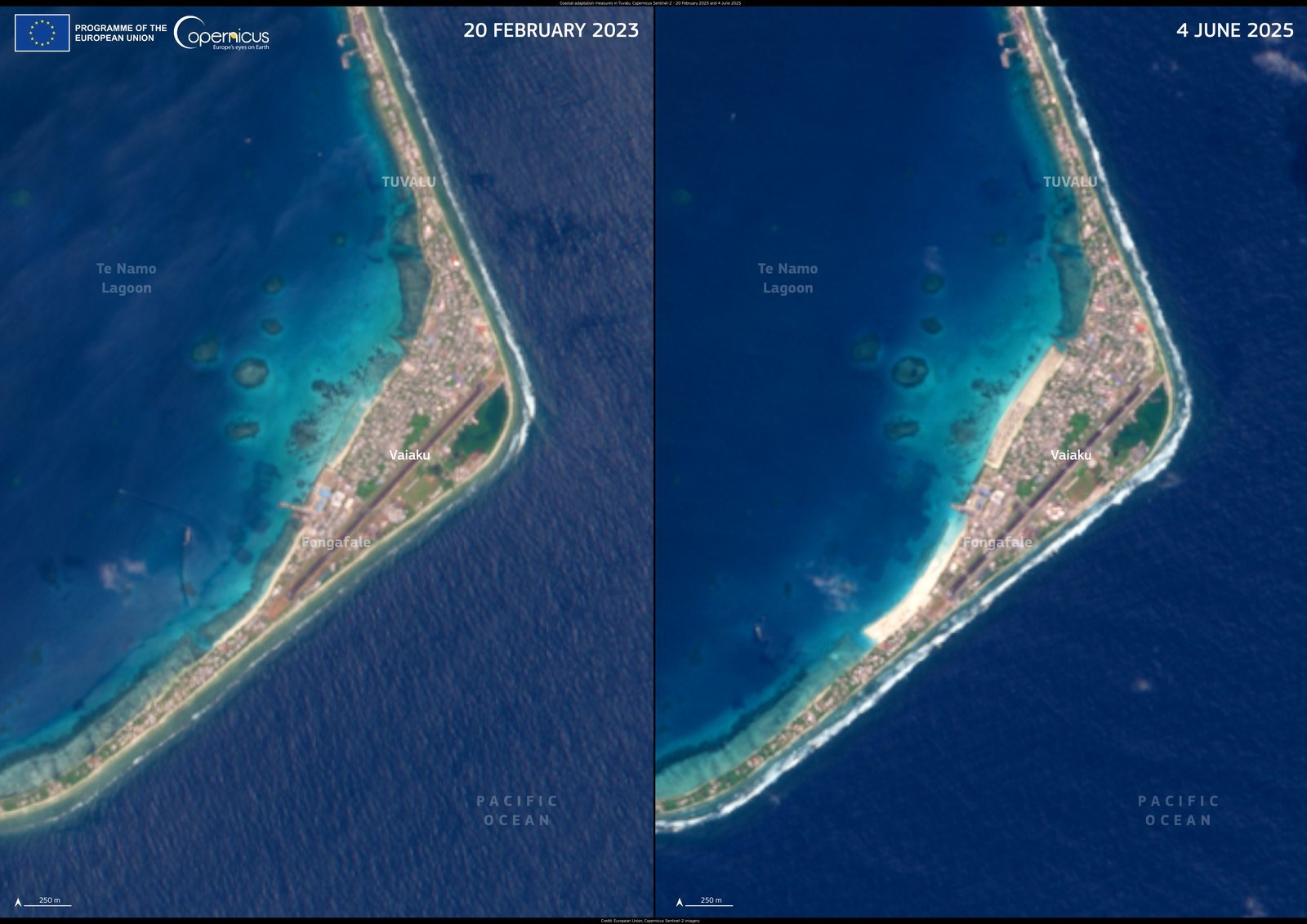
As global warming heads past 1.5 degrees Celsius, money to help communities adapt is falling far short of what developing countries need, the U.N. Environment Programme said Wednesday in its 2026 Adaptation Gap Report.
The report estimates developing countries will require roughly $305 billion a year by 2035 to build resilience and cut climate risks. Even if international public adaptation finance triples, that would cover only 20% to 29% of those needs, UNEP found.
“The world is not ready to adapt to current climactic conditions, never mind what overshoot of 1.5°C will bring,” UNEP Executive Director Inger Andersen said.
Finance growth is flattening
International public adaptation finance reached $28.2 billion to $31.7 billion in 2024, only about $1 billion more than the previous year. Growth is flattening, UNEP said, and the $305 billion figure excludes private-sector needs, meaning the true total could double.
The report was released ahead of COP31, which opens next week in Antalya, Türkiye. Last year’s COP30 Global Mutirão outcome in Brazil called for tripling annual adaptation support. Even if that goal is met, projected funding of $85 billion to $120 billion a year would still cover only 20% to 29% of estimated needs after inflation, according to the report.
“At climate COP31 in Türkiye and beyond, nations must focus on intensifying efforts to achieve the COP30 Global Mutirão aspiration of tripling adaptation finance by 2035, while understanding that they will need to go even higher to save lives, avoid losses and damages and protect economies,” Andersen said.
Glasgow goal and South-South flows
Countries could still meet the Glasgow Climate Pact goal of doubling 2019 adaptation finance levels to $40 billion by 2025, the report said. Flows between developing countries, often called South-South finance, rose from $3.8 billion in 2019 to $9.6 billion in 2024. Multilateral development banks also likely increased financing significantly last year, UNEP said.
Finance alone is not enough, the report stressed. Stronger institutions and faster implementation are needed to protect vulnerable communities as climate-related losses and damage grow.
WHO: six measures could save 1.6 million lives a year
On the same day, the World Health Organization urged countries to scale up six proven climate-resilience measures that it said could save 1.6 million lives a year. An estimated 3.3 billion to 3.6 billion people live in contexts highly vulnerable to climate change, WHO said.
The measures include early warning systems for heatwaves, climate-resilient water and sanitation services, and cleaner household fuels and technologies for cooking and heating. WHO also said fossil fuel prices that reflect health damage could save 1.2 million lives a year from reduced air pollution, while generating $5.4 trillion in tax revenue and $3 trillion in economic welfare gains annually.